Drills for skills: Flow Offence26 drills
Use the filters below to explore the different levels of Flow Offence drills.
Players

Skills
Themes
Reset
Up to:
Premium Drills - upgrade or start a trial month to view all these!
Sorry, there are no premium drills that match your filters


14+
Side stack gives a huge amount of field space for an offence to work in. Many teams will counter this by using multiple defenders to clog up the cutting lanes, so this drill teaches how to play against this defence.

6+

Scoring is much easier playing 2 on 2 than 7 on 7. The idea of this drill is to score efficiently and cleanly without resorting to 7 on 7 by making use of momentum and overloading the defence.
14+
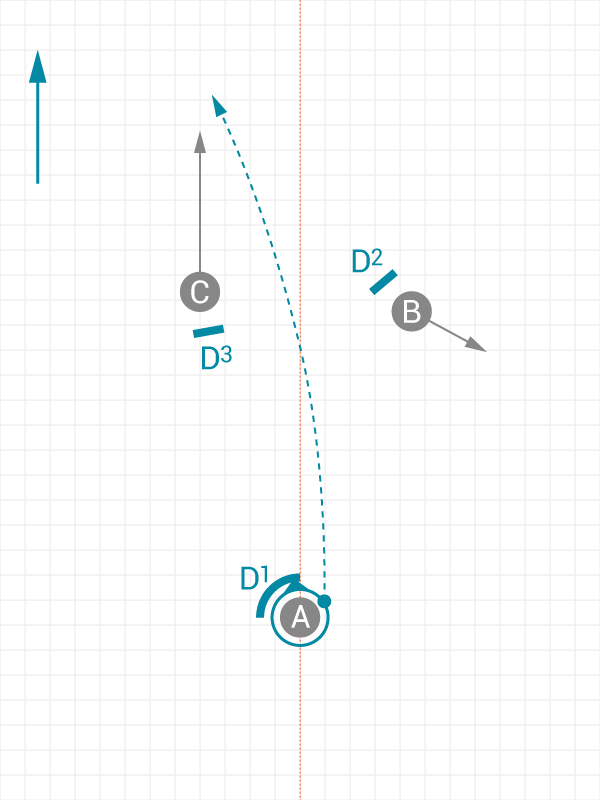
Learn the decision making and options available during a full 7-on-7 game using Cyclone

7+
Combine a number of options here and play with full defence; this drill will teach you how to combine cuts when running Cyclone, and help you to develop the decision making required to use Cyclone in a game.

5+
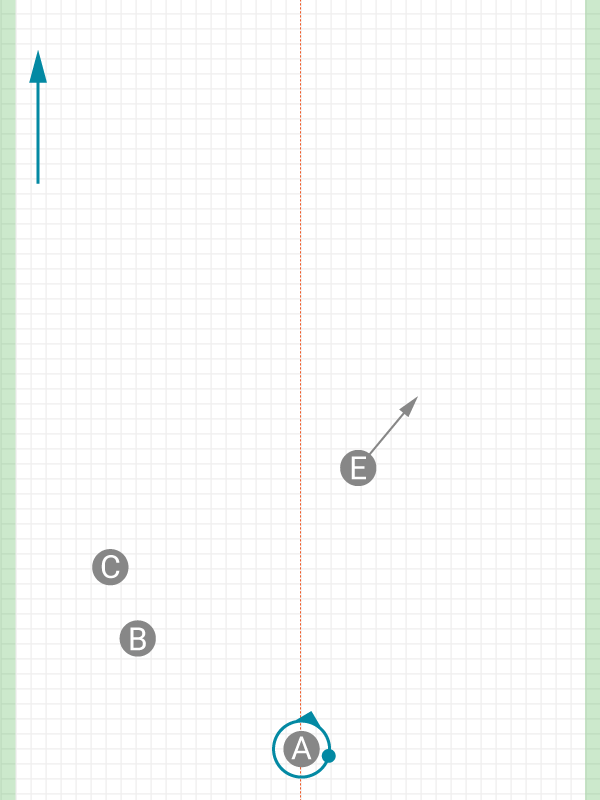
The characteristic movement of handlers clearing laterally to the break side in Cyclone is practiced with this drill
6+
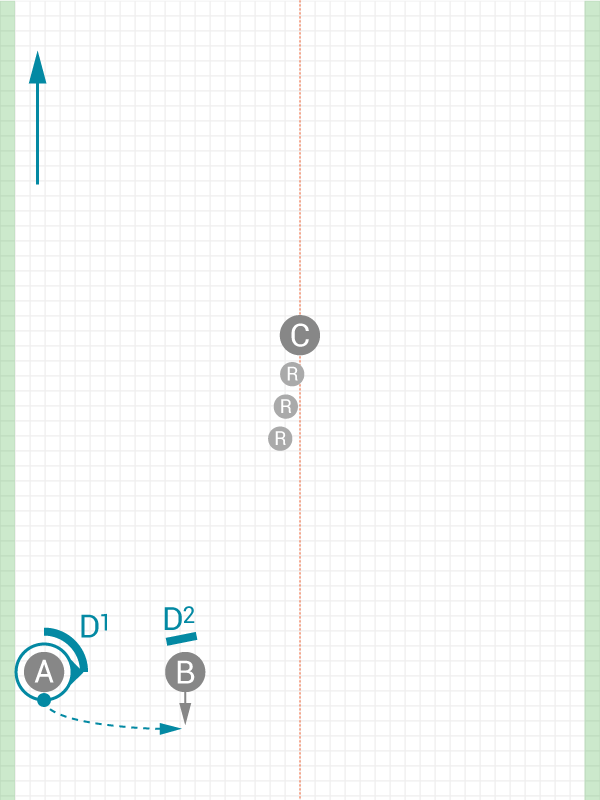
This drill practices reliably maintaining flow in situations such as when you've broken through the front of a zone.

7+
Handler movement can be so difficult to stop that teams have constructed their entire offence around it. Here's just a sample of how to bolt together the key movements.

3+
This drill practices hucking in the context of breaking through the centre of a zone, generating power position and using a momentary gap in defensive coverage to attack deep space

4+
Cyclone is effective when chaining together multiple cuts, as in this drill


3+
Practice your pop passes and lead passes while chaining together multiple short throws and improving your timing

5+
Use this drill to teach your team to move downfield in vertical stack early and effectively in order to maintain flow

7+
This drill works on repositioning the vertical stack in response to disc movement across the field.
7+
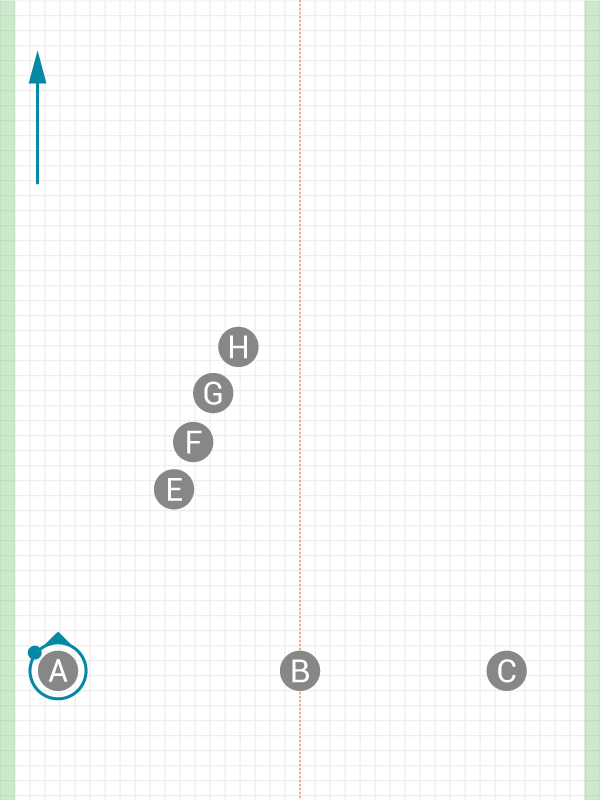
Chicago Machine's Brett & Goose bring together multiple cutting options to show the power of the vertical stack formation

14+
A simple yet effective mechanism for generating and maintaining offensive flow
7+
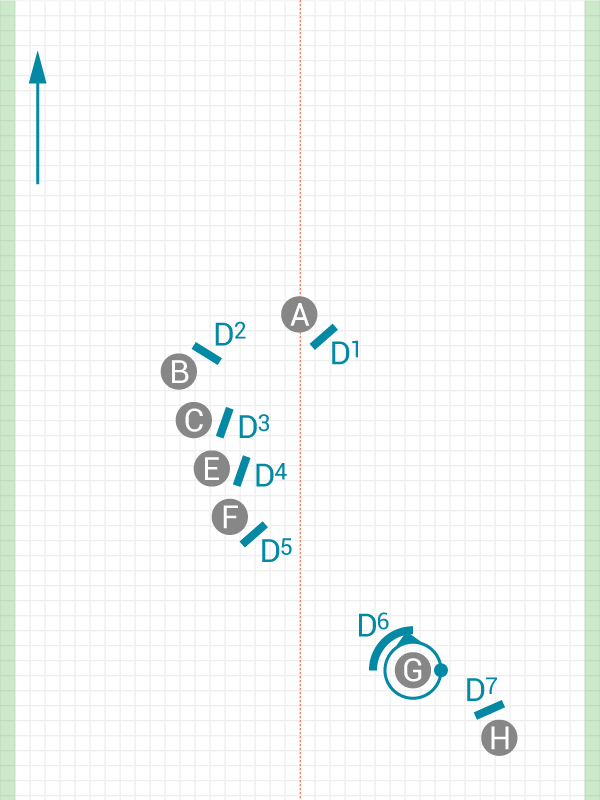
Use this drill to practice getting your cup positioning right, and how to get out of trap situations

5+
Practice maintaining flow and swinging the disc in vertical stack

8+
The idea here is to get three or more cutters working together, all running the Triangle Cutting patterns, to provide lots of options to throw to in a short space of time.

4+
When cutting deep it’s critical not to set off too early. Doing so often results in clogging up the deep space, reducing the thrower’s options. Learn how to time your cuts with this drill.
4+
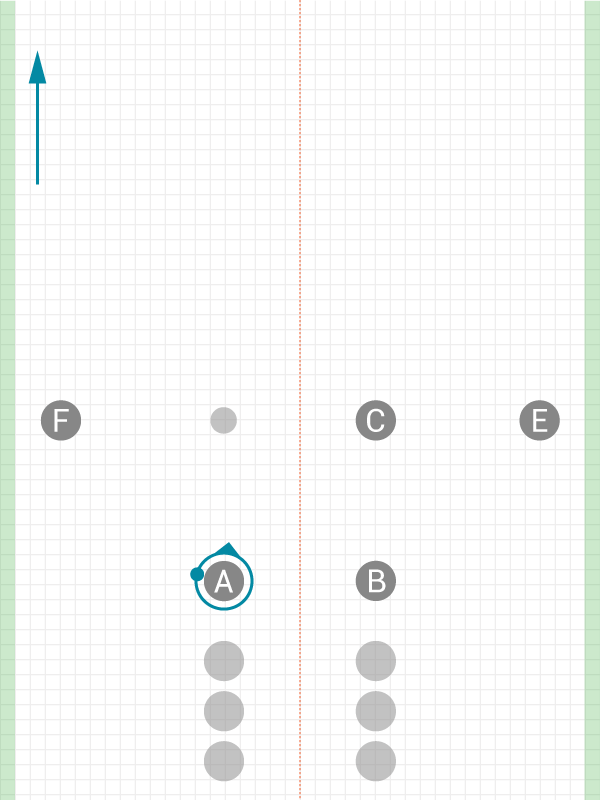
Timing deep cuts is a vital part of being a good receiver; it rarely gets much attention but when you time your cuts correctly, throwing away becomes much easier (and you'll catch more goals!)

4+
A well timed under cut will allow a thrower to pass into the field to an open player shortly after they have changed direction, gaining maximum distance down down, and into the centre of the field. All of this would happen as the thrower establishes a pivot foot and looks up field.

4+
Practice timing continuation cuts for maximum gain and to ensure that your offence continues flowing downfield

4+
Defenders can often read what a cutter wants to do in advance to re-position themselves to deny an option. When cutting, it is therefore good to be able to make split-second decisions about where you want to cut.

4+
A flood play used to create space for an isolated cutter in horizontal stack
